 January 29, 2026
by : Admin
10 Ways to Lower Your Cholesterol Naturally
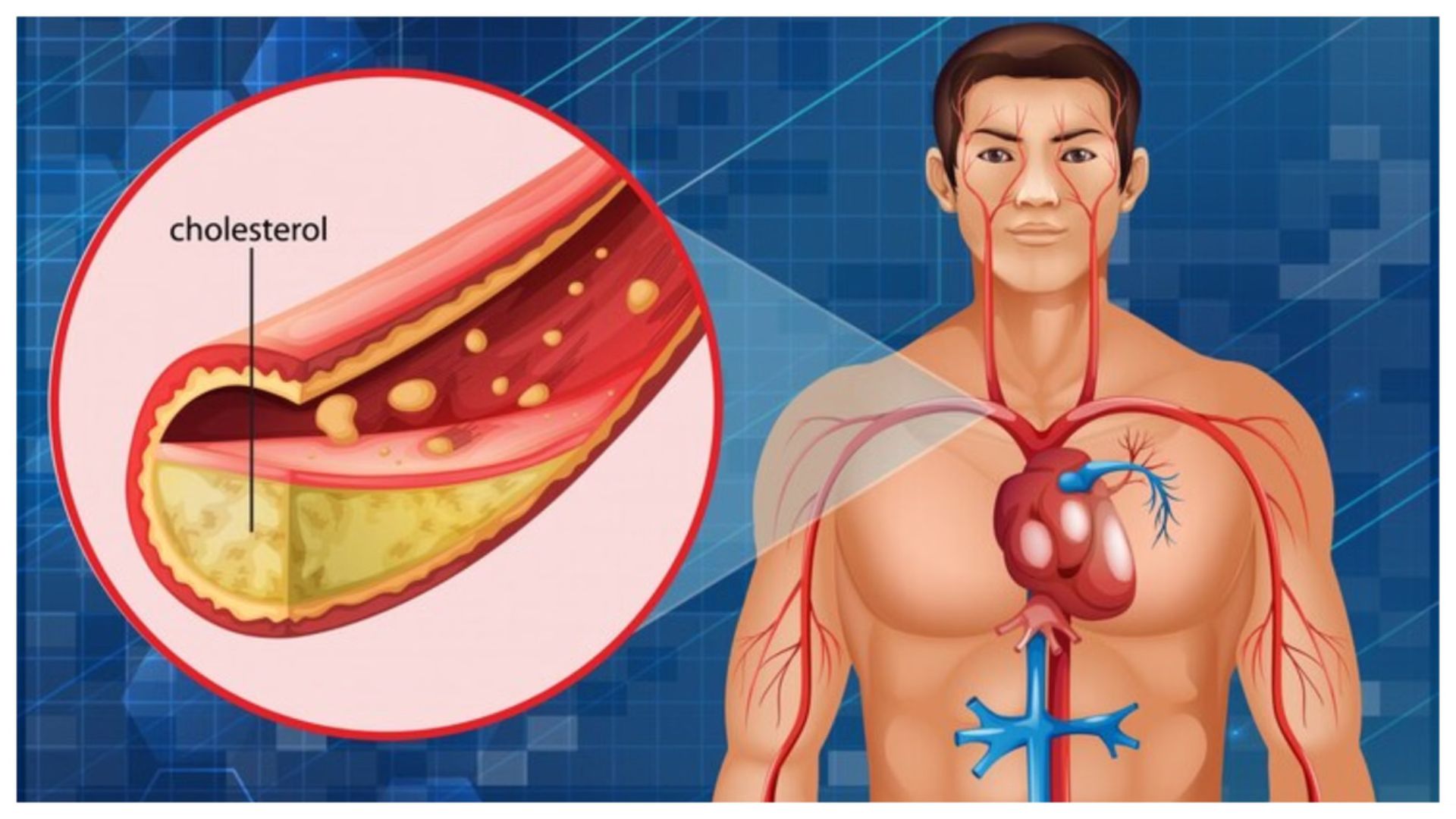
High cholesterol is one of the most common health concerns affecting adults today. When cholesterol levels remain uncontrolled, they can increase the risk of heart disease, stroke, and other severe health conditions. The good news is that many people can improve their cholesterol levels naturally by making consistent yet straightforward lifestyle changes.
At Dr Juan S. Pico’s practice, patients often ask how they can support long-term heart health without relying solely on medication. The following strategies focus on sustainable habits that support cholesterol management in San Antonio, TX, while promoting overall wellness.
Choose Heart-Healthy Fats
Not all fats are harmful. Replacing saturated fats with healthier options can significantly impact cholesterol levels. Foods rich in unsaturated fats, such as olive oil, avocados, nuts, and seeds, help reduce bad cholesterol (LDL) while supporting good cholesterol (HDL). Limiting fried foods, processed snacks, and fatty cuts of meat is an essential first step toward better cholesterol balance.
Increase Soluble Fibre Intake
Soluble fibre plays a key role in removing cholesterol from the body. It binds to cholesterol particles and helps flush them out before they enter the bloodstream.
Foods high in soluble fibre include:
- Oats and oat bran
- Beans and lentils
- Apples and pears
- Chia and flax seeds
Adding these foods to your daily meals can support natural cholesterol management over time.
Stay Physically Active
Regular physical activity helps raise HDL (good cholesterol) and lower LDL (bad cholesterol). Even moderate exercise can make a difference when done consistently.
Simple ways to stay active include:
- Brisk walking
- Cycling
- Swimming
- Light strength training
For patients focusing on cholesterol management in San Antonio, TX, finding activities that suit the local climate and lifestyle helps maintain long-term consistency.
Maintain a Healthy Weight
Excess body weight often contributes to elevated cholesterol levels. Losing even a small percentage of body weight can improve cholesterol and overall cardiovascular health.
Healthy weight management focuses on:
- Balanced meals
- Portion control
- Regular movement
- Avoiding crash diets
A sustainable approach delivers better long-term results.
Limit Added Sugars and Refined Carbohydrates
High intake of sugar and refined carbs can lower good cholesterol and raise triglycerides. Reducing sugary drinks, desserts, white bread, and processed foods supports healthier cholesterol levels.
Instead, choose:
- Whole grains
- Fresh fruits
- Vegetables
- Lean proteins
These foods naturally stabilise blood sugar and support heart health.
Quit Smoking and Avoid Secondhand Smoke
Smoking lowers HDL cholesterol and damages blood vessels, increasing heart disease risk. Quitting smoking can improve cholesterol levels within weeks and significantly benefit overall health. For non-smokers, avoiding secondhand smoke is equally important in maintaining healthy cholesterol and cardiovascular function.
Manage Stress Effectively
Chronic stress can negatively impact cholesterol levels by triggering unhealthy behaviours such as overeating or inactivity. Stress also affects hormones that influence fat metabolism.
Helpful stress-management techniques include:
- Deep breathing
- Meditation
- Yoga
- Regular sleep schedules
Managing stress supports both mental well-being and heart health.
Eat More Omega-3 Fatty Acids
Omega-3 fatty acids help lower triglycerides and reduce inflammation in the body. While they don’t directly lower LDL, they play a vital role in heart protection.
Natural sources include:
- Fatty fish (salmon, sardines)
- Walnuts
- Flax Seeds
- Chia seeds
Including omega-3-rich foods a few times a week supports balanced cholesterol levels.
Reduce Alcohol Consumption
Excessive alcohol intake can increase cholesterol and triglyceride levels. While moderate intake may have some benefits, limiting alcohol is safer for most individuals.
Choosing alcohol-free days during the week can significantly support healthier cholesterol levels and liver function.
Get Regular Cholesterol Screenings
Natural methods are most effective when guided by regular health monitoring. Routine cholesterol testing helps track progress and identify risks early. Under the care of Dr Juan S. Pico, patients receive personalised guidance tailored to their health history, lifestyle, and cardiovascular risk factors, ensuring safe and effective cholesterol management.
Why Natural Cholesterol Management Matters
Natural cholesterol control focuses on long-term health rather than quick fixes. Lifestyle changes not only improve cholesterol levels but also support blood pressure, blood sugar control, and overall energy levels. For individuals seeking cholesterol management in San Antonio, TX, combining preventive care with expert medical guidance offers the best path to lasting heart health.
Final Thoughts
Lowering cholesterol naturally is achievable with informed choices and consistent habits. By focusing on nutrition, physical activity, stress management, and preventive care, you can protect your heart for the long term. For professional guidance on cholesterol management in San Antonio, TX, Dr Juan S. Pico provides patient-focused care designed to support lasting cardiovascular health.
Frequently Asked Questions (FAQs)
- Can cholesterol be lowered naturally without medication?
Yes, many people can improve their cholesterol levels through diet, exercise, weight management, and stress control. However, medical guidance from Dr Juan S. Pico helps determine whether lifestyle changes alone are sufficient.
- How long does it take to see results from natural cholesterol management?
Most people begin to see improvements within 6–12 weeks of consistent lifestyle changes, mainly when supported by regular checkups.
- Is cholesterol management different for each person?
Absolutely. Age, genetics, lifestyle, and medical history all affect cholesterol levels. Personalised care ensures safer and more effective results.
- Are all cholesterol levels bad for heart health?
No. HDL (good cholesterol) is beneficial and helps remove excess cholesterol from the bloodstream. The goal is balance, not elimination.
- When should I see a doctor for cholesterol concerns?
If you have a family history of heart disease, high cholesterol, or related symptoms, scheduling an evaluation with Dr Juan S. Pico is strongly recommended.