 July 2, 2026
by : Admin
How Do Diabetes and High Blood Pressure Affect Your Kidneys?
Your kidneys work around the clock to remove waste, balance fluids, regulate blood pressure, and support many essential body functions. When conditions like diabetes or high blood pressure are not well managed, these vital organs can gradually lose their ability to function properly. Unfortunately, kidney damage often develops silently, with few noticeable symptoms during its early stages.
For people seeking Kidney Disorder Care in San Antonio, TX, understanding the connection between these chronic conditions and kidney health is the first step toward prevention. Early diagnosis, regular monitoring, and personalized treatment can significantly reduce the risk of long-term kidney complications and improve overall well-being.
At Dr. Juan S. Pico, DO, patients receive comprehensive care focused on identifying risk factors, managing chronic diseases, and protecting kidney function before serious complications develop.
Why Are Your Kidneys So Important?
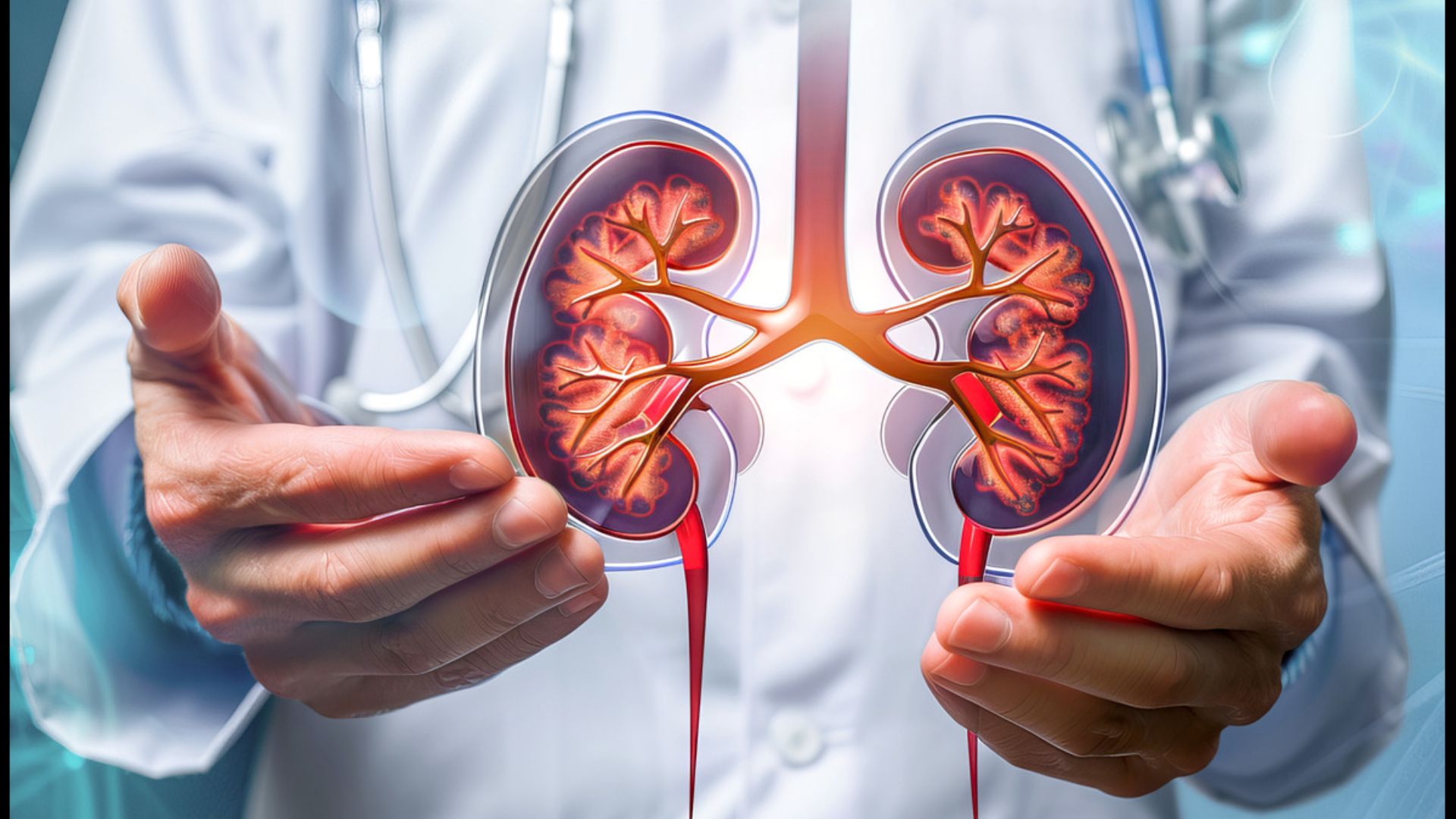
Your kidneys are two bean-shaped organs located just below your rib cage. Although relatively small, they perform several life-sustaining functions every day.
These include:
- Filtering waste products from the blood
- Removing excess fluid through urine
- Maintaining electrolyte balance
- Helping regulate blood pressure
- Supporting healthy red blood cell production
- Keeping bones healthy by balancing minerals
Healthy kidneys continuously filter your blood. When diabetes or high blood pressure damages these delicate filtering units, waste and fluid begin building up inside the body.
How Does Diabetes Damage the Kidneys?
Diabetes is one of the leading causes of chronic kidney disease worldwide.
When blood sugar remains consistently high, it places extra stress on the tiny blood vessels inside the kidneys. Over time, these small filters become damaged and begin leaking protein into the urine instead of keeping it in the bloodstream.
This condition, often called diabetic kidney disease, usually develops slowly over many years.
Some factors that increase the risk include:
- Poor blood sugar control
- Long-term diabetes
- Smoking
- Obesity
- High cholesterol
- Family history of kidney disease
Many people experience no symptoms until kidney function has already declined significantly.
How Does High Blood Pressure Affect Kidney Health?
High blood pressure and kidney disease have a two-way relationship.
When blood pressure stays elevated, it puts constant pressure on the blood vessels throughout the body, including those inside the kidneys. Over time, these vessels become narrow, weak, or scarred, reducing their ability to filter blood efficiently.
As kidney function worsens, blood pressure may rise even further, creating a harmful cycle that can be difficult to break without proper medical care.
Managing blood pressure early helps preserve kidney function and lowers the risk of serious complications.
What Happens When Both Conditions Are Present?
Many adults have both diabetes and hypertension at the same time.
When these conditions occur together, the risk of kidney damage increases considerably because:
- Blood sugar damages kidney filters.
- High blood pressure weakens the kidney blood vessels.
- Reduced kidney function makes blood pressure harder to control.
- Inflammation increases throughout the body.
This combination accelerates kidney disease progression unless both conditions are carefully managed through ongoing medical supervision.
Common Warning Signs of Kidney Problems
Kidney disease often progresses quietly. That’s why regular health screenings are crucial, especially for people with diabetes or hypertension.
Possible symptoms include:
- Swelling in the feet or ankles
- Persistent fatigue
- Frequent urination, especially at night
- Foamy urine
- Blood in the urine
- Muscle cramps
- Poor appetite
- Difficulty concentrating
- Nausea
- Shortness of breath
These symptoms do not always indicate kidney disease, but they should never be ignored.
Who Has a Higher Risk of Kidney Disease?
Some individuals are more likely to develop kidney problems than others.
Risk factors include:
- Diabetes
- High blood pressure
- Heart disease
- Obesity
- Smoking
- Family history of kidney disease
- Age over 60
- High cholesterol
People with multiple risk factors benefit from routine kidney evaluations before symptoms appear.
How Early Detection Protects Kidney Function
One of the biggest advantages of routine health evaluations is identifying kidney damage before it becomes severe.
Doctors may recommend:
- Blood tests to measure kidney function
- Urine tests to detect protein leakage
- Blood pressure monitoring
- Blood sugar evaluations
- Cholesterol testing
These simple tests provide valuable information that helps guide treatment decisions and reduce future complications.
Patients seeking kidney disorder care in San Antonio, TX, often benefit from regular monitoring that allows providers to identify changes early and adjust treatment before permanent damage occurs.
Lifestyle Habits That Support Healthy Kidneys
Although some kidney damage cannot be reversed, healthy habits may slow disease progression.
Helpful lifestyle changes include:
Control Blood Sugar
Keeping glucose within the recommended range reduces stress on the kidneys and lowers the risk of diabetic kidney disease.
Maintain Healthy Blood Pressure
Following your treatment plan and monitoring blood pressure regularly can help protect kidney blood vessels.
Stay Hydrated
Adequate water intake supports normal kidney function unless your physician recommends fluid restrictions.
Eat a Balanced Diet
Focus on:
- Fresh vegetables
- Fruits
- Whole grains
- Lean proteins
- Healthy fats
Reducing excess sodium and processed foods may also help support healthy blood pressure.
Exercise Regularly
Moderate physical activity supports cardiovascular health, weight management, and improved blood sugar control.
Avoid smoking.
Smoking reduces blood flow to the kidneys and increases the risk of chronic kidney disease.
The Role of Internal Medicine in Kidney Health
Many people believe kidney problems require treatment only after symptoms appear. In reality, prevention begins much earlier.
Internal medicine doctors focus on managing chronic medical conditions that directly affect kidney health. They monitor blood pressure, diabetes, cholesterol, weight, medications, and overall wellness through a comprehensive approach.
Instead of treating a single condition, they evaluate how multiple health issues interact and develop individualized care plans that support long-term health.
This proactive approach helps reduce complications before they become serious.
How Concierge Medicine Supports Ongoing Kidney Care
Managing diabetes and hypertension often requires regular follow-up appointments.
Concierge medicine services provide patients with greater access to their physician, allowing more personalized communication, preventive care, and chronic disease management.
This model often supports:
- Regular health monitoring
- Individualized treatment plans
- Medication management
- Lifestyle counseling
- Preventive screenings
- Faster access to medical guidance
Consistent medical care makes it easier to address small health changes before they develop into significant kidney problems.
Why Preventive Care Matters
Kidney disease is often preventable or manageable when risk factors are addressed early.
Regular checkups allow physicians to:
- Monitor kidney function
- Adjust medications when needed
- Detect complications early
- Encourage healthier lifestyle habits
- Improve diabetes and blood pressure management
Preventive healthcare remains one of the most effective ways to preserve kidney health throughout adulthood.
Conclusion
Diabetes and high blood pressure are among the most common causes of kidney disease, but early intervention can make a meaningful difference. Routine screenings, healthy lifestyle choices, and consistent management of chronic conditions help protect kidney function and reduce the risk of long-term complications.
If you are living with diabetes, hypertension, or other risk factors, seeking kidney disorder care in San Antonio, TX, can help identify potential concerns before they become serious. At Dr. Juan S. Pico, DO, patients receive comprehensive care focused on prevention, chronic disease management, and long-term wellness, helping them take confident steps toward better kidney health.
Frequently Asked Questions
Q. How do diabetes and high blood pressure damage the kidneys?
High blood sugar can damage the tiny filtering units inside the kidneys, while high blood pressure weakens the blood vessels that supply them. Over time, both conditions may reduce kidney function if left untreated.
Q. Who should consider kidney disorder care?
Adults with diabetes, high blood pressure, obesity, a family history of kidney disease, or abnormal kidney test results should discuss regular kidney evaluations with their healthcare provider.
Q. Can kidney damage be prevented?
Many cases can be delayed or slowed through early diagnosis, blood sugar control, healthy blood pressure, regular exercise, a balanced diet, and routine medical checkups.
Q. What tests are commonly used to evaluate kidney health?
Healthcare providers often recommend blood tests to measure kidney function, urine tests to detect protein, blood pressure monitoring, and diabetes screenings based on individual risk factors.
Q. How do internal medicine doctors help protect kidney health?
Internal medicine doctors monitor chronic conditions such as diabetes and hypertension, recommend preventive screenings, manage medications, and develop personalized treatment plans to reduce the risk of kidney disease.
Q. What are concierge medicine services?
Concierge medicine services offer a more personalized healthcare experience with enhanced physician access, preventive care, chronic disease management, and ongoing support tailored to each patient’s health needs.
Q. Why choose Dr. Juan S. Pico, DO, for kidney-related preventive care?
Dr. Juan S. Pico, DO, provides comprehensive internal medicine services focused on prevention, chronic disease management, and personalized care, helping patients maintain better overall health while monitoring important risk factors for kidney disease.