
 January 6, 2026
by : Admin
Tetanus: How Vaccinations Prevent Life-Threatening Infections
Tetanus is a serious and potentially fatal infection that many people underestimate. Unlike common viral illnesses, tetanus does not spread from person to person. Instead, it enters the body through cuts, wounds, or punctures in the skin. Without timely prevention, the infection can quickly become life-threatening.
This is why tetanus vaccinations in San Antonio, TX, play a critical role in protecting individuals of all ages. With the right immunization plan and medical guidance, tetanus is almost entirely preventable. In this article, we’ll explain how tetanus develops, why vaccination is essential, and how staying up to date can protect both individuals and families.
What Is Tetanus and Why Is It Dangerous?
Tetanus is caused by Clostridium tetani, a bacterium commonly found in soil, dust, and animal waste. When this bacterium enters the body through broken skin, it produces toxins that affect the nervous system.
These toxins interfere with muscle control, leading to:
- Severe muscle stiffness
- Painful muscle spasms
- Lockjaw (difficulty opening the mouth)
- Trouble swallowing or breathing
Without prompt treatment, tetanus can result in respiratory failure or even death. What makes tetanus especially dangerous is that even minor injuries—like a small cut or rusty nail puncture—can allow the bacteria to enter the body.
How Tetanus Vaccinations Protect You
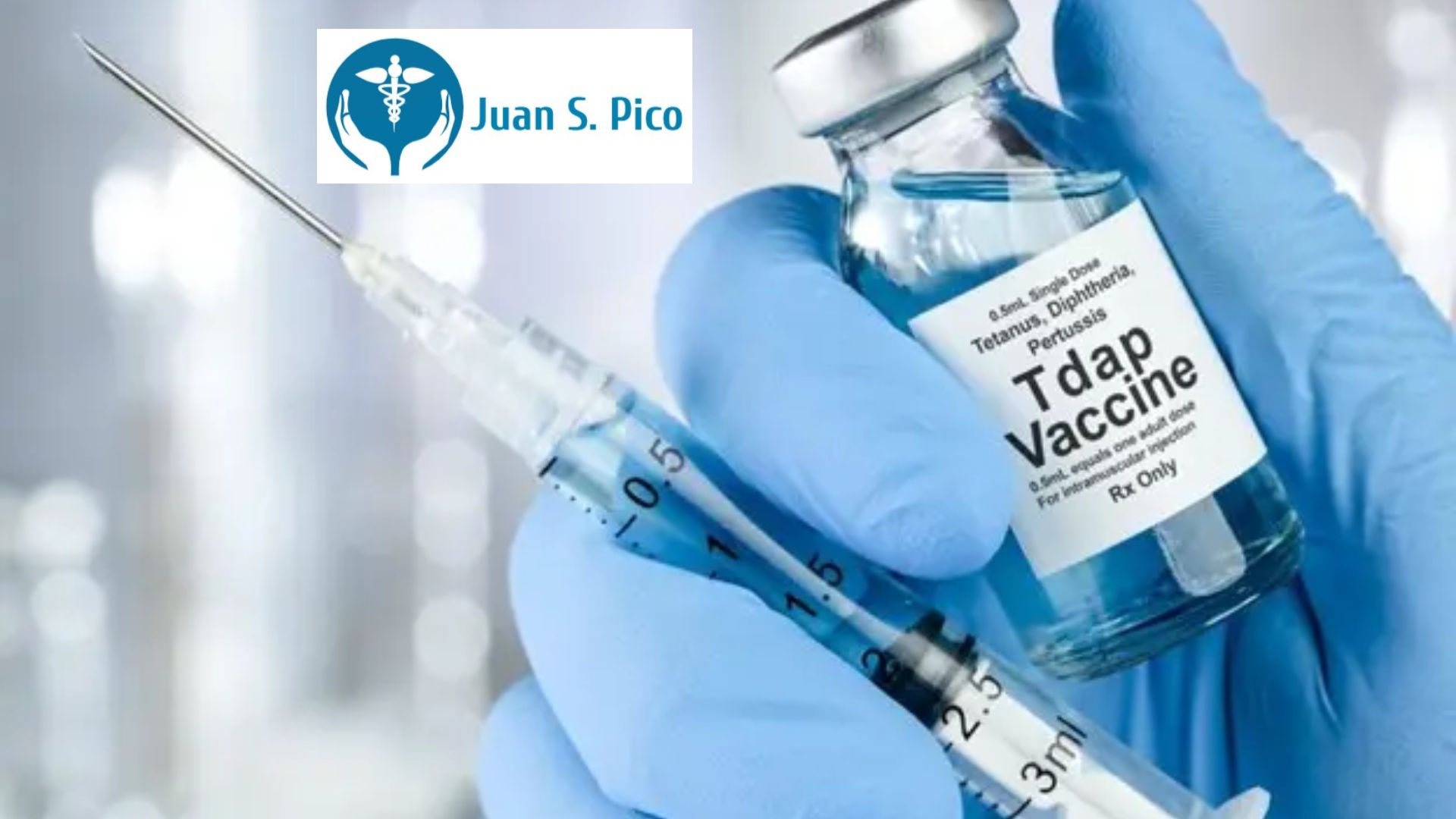
Vaccination is the most effective defence against tetanus. The vaccine works by stimulating the immune system to produce antibodies that neutralize tetanus toxins before they cause harm.
When individuals receive tetanus vaccinations in San Antonio, TX, their bodies are better prepared to fight the infection immediately after exposure. This early immune response prevents the toxin from affecting the nervous system, stopping the disease before symptoms develop.
Vaccines do not eliminate the bacteria from the environment, but they significantly reduce the risk of severe illness, hospitalization, and complications.
Who Should Get Tetanus Vaccinations?
Tetanus vaccines are recommended for people of all ages, starting in childhood and continuing throughout adulthood.
Children and Adolescents:- Children typically receive tetanus protection as part of routine immunizations. Booster doses are given during adolescence to maintain immunity.
Adults:- Many adults are unaware that tetanus protection fades over time. Booster shots are generally recommended every 10 years. Adults who experience a deep or contaminated wound may require an additional booster if their last dose was several years ago.
Older Adults:- Seniors are at higher risk of complications from tetanus. Staying current with vaccinations is essential to avoid serious health outcomes. Medical professionals like Dr Juan S. Pico helps patients determine the proper vaccination schedule based on age, health history, and lifestyle risks.
Why Tetanus Is Still a Concern Today
Despite modern medicine, tetanus cases still occur—mostly among unvaccinated or under-vaccinated individuals. Many infections result from:
- Gardening injuries
- Construction-related wounds
- Animal bites
- Accidental cuts at home
Because tetanus bacteria exist naturally in the environment, complete avoidance is impossible. This makes tetanus vaccinations in San Antonio, TX, not just recommended, but essential for long-term protection.
Safety and Effectiveness of Tetanus Vaccines
Tetanus vaccines have been used safely for decades and are thoroughly tested for effectiveness. Most people experience only mild side effects, such as:
- Temporary soreness at the injection site
- Mild fatigue
- Low-grade fever
Severe reactions are infrequent. The benefits of vaccination far outweigh the risks, especially when compared to the severe complications of tetanus infection itself.
What Happens If Tetanus Is Not Prevented?
If someone develops tetanus, treatment often requires hospitalization. Patients may need:
- Muscle relaxants
- Breathing support
- Intensive care monitoring
- Long recovery periods
Even with advanced medical care, recovery can take weeks or months. Prevention through vaccination is far safer, more effective, and less costly than treatment after infection.
Importance of Staying Up to Date with Boosters
One of the most common reasons tetanus infections occur is missed booster doses. Immunity weakens gradually, and many adults don’t realize they are overdue.
By scheduling regular checkups and vaccinations, patients can ensure uninterrupted protection. Clinics offering tetanus vaccinations in San Antonio, TX, often review vaccination history and provide guidance tailored to individual needs.
Choosing the Right Medical Provider
Vaccination is not just about receiving a shot—it’s about receiving accurate medical advice. A trusted healthcare professional like Dr Juan S. Pico ensures:
- Proper vaccine timing
- Personalized recommendations
- Safe administration
- Clear guidance on follow-up care
This patient-focused approach helps build long-term health and confidence in preventive care.
Conclusion
Tetanus is a life-threatening but preventable disease. With proper vaccination and timely booster shots, individuals can protect themselves from severe complications and unnecessary health risks. By choosing reliable tetanus vaccinations in San Antonio, TX, patients take a proactive step toward long-term safety and well-being. Prevention remains the most powerful tool—and vaccination is the foundation of that protection.
Frequently Asked Questions (FAQs)
- How often should adults receive tetanus vaccinations?
Most adults should receive a tetanus booster every 10 years. A healthcare provider may recommend an earlier booster after specific injuries.
- Are tetanus vaccinations safe for long-term use?
Yes, tetanus vaccines have a long history of safety and effectiveness when administered according to medical guidelines.
- Can I get tetanus from a small cut or scratch?
Yes. Even minor wounds can allow tetanus bacteria to enter the body, especially if the skin is broken.
- Why are tetanus vaccinations in San Antonio, TX, important for active individuals?
People who garden, work outdoors, or handle tools are more likely to experience cuts or puncture wounds, increasing tetanus exposure risk.
- Who should I consult for tetanus vaccination guidance?
A qualified medical professional like Dr Juan S. Pico can review your health history and recommend the appropriate vaccination schedule.