 August 28, 2026
by : Admin
Understanding Fatty Liver Disease and How to Prevent It
Fatty liver disease is a common condition that develops when excess fat accumulates in the liver. While a small amount of liver fat can be normal, too much can affect liver health over time. Fatty liver disease in San Antonio, TX, is an important health concern for adults who may have risk factors such as excess weight, diabetes, high cholesterol, or an inactive lifestyle. Understanding what causes fatty liver, recognising potential warning signs, and making practical lifestyle changes can help protect your liver and overall health.
What Is Fatty Liver Disease?
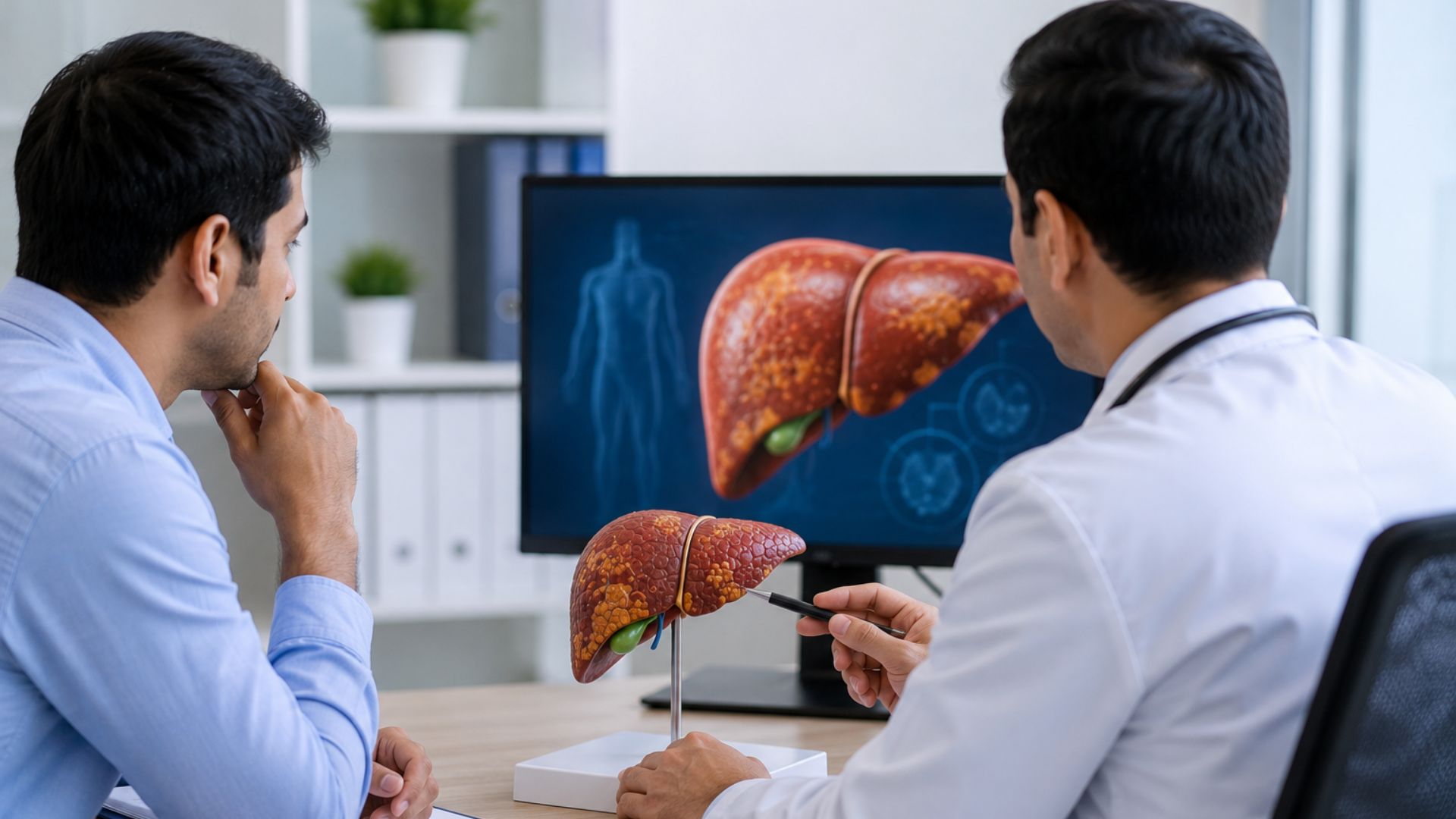
The liver performs many essential functions, including processing nutrients, removing waste from the blood, and helping regulate metabolism. When too much fat builds up inside liver cells, the condition is known as fatty liver disease.
Fatty liver disease can occur for different reasons. Metabolic dysfunction-associated steatotic liver disease (MASLD), formerly known as nonalcoholic fatty liver disease, is commonly associated with metabolic health conditions such as obesity, insulin resistance, and Type 2 diabetes. Alcohol-associated liver disease, on the other hand, is related to excessive alcohol consumption.
Not everyone with fatty liver develops serious liver damage. However, inflammation can occur in some people and may eventually lead to scarring, known as fibrosis. Advanced scarring can progress to cirrhosis, which can significantly affect liver function.
What Causes Fatty Liver Disease?
Several factors can increase the likelihood of developing fatty liver. Understanding these risk factors can make prevention easier.
Excess Weight and Abdominal Fat
Carrying excess body weight, particularly around the abdomen, can increase the risk of fat accumulating in the liver. Even gradual weight gain over time may affect metabolic health.
Insulin Resistance and Diabetes
When the body does not respond effectively to insulin, changes in fat metabolism can contribute to fat storage in the liver. People with insulin resistance or Type 2 diabetes have a higher risk of developing fatty liver.
High Cholesterol and Triglycerides
Unhealthy levels of blood fats, particularly elevated triglycerides, can be associated with increased liver fat. Managing cholesterol and triglycerides is therefore an important part of maintaining overall metabolic health.
Poor Dietary Habits
A diet high in added sugars, refined carbohydrates, highly processed foods, and excessive calories may contribute to fatty liver. Sugary beverages and frequent consumption of foods with little nutritional value can be particularly problematic.
Alcohol Consumption
Regularly consuming excessive amounts of alcohol can cause fat to accumulate in the liver and may lead to inflammation and liver damage. Alcohol-related liver disease can develop gradually, so discussing alcohol intake with a healthcare professional is important when assessing liver health.
What Are the Symptoms of Fatty Liver?
One of the challenges with fatty liver disease is that many people do not experience noticeable symptoms, especially during the early stages. The condition may be discovered during routine blood tests or imaging performed for another reason.
When symptoms do occur, they may include:
- Fatigue or low energy
- Discomfort or a feeling of fullness in the upper right abdomen
- General weakness
- Unexplained changes in health or metabolic markers
More advanced liver disease can cause symptoms such as yellowing of the skin or eyes, swelling in the legs or abdomen, easy bruising, or confusion. These symptoms require prompt medical evaluation.
Because early fatty liver may be silent, routine healthcare visits can play an important role in identifying risk factors before complications develop.
How Is Fatty Liver Diagnosed?
A healthcare provider may begin by reviewing your medical history, medications, lifestyle habits, weight, and existing health conditions. Blood tests may be used to evaluate liver enzymes and other markers of liver health.
Imaging tests, such as an ultrasound, may help identify fat accumulation in the liver. Depending on individual circumstances, additional testing may be recommended to assess liver stiffness or determine whether fibrosis is present.
A diagnosis should not be based on a single test alone. Your healthcare provider can consider your overall health, risk factors, symptoms, laboratory results, and imaging findings when determining the most appropriate next steps.
How Can You Prevent Fatty Liver Disease?
The good news is that many risk factors for fatty liver can be improved through sustainable lifestyle changes.
1. Maintain a Healthy Weight
If you are overweight, gradual and sustainable weight loss can help reduce fat stored in the liver. Avoid extreme diets or rapid weight-loss programs unless recommended and monitored by a healthcare professional.
Even modest improvements in body weight and metabolic health may provide meaningful benefits.
2. Choose a Balanced Diet
Build meals around vegetables, fruits, whole grains, lean sources of protein, beans, nuts, and other nutrient-rich foods. Limit highly processed foods, foods high in saturated fat, and products containing large amounts of added sugar.
Replacing sugary drinks with water or other unsweetened beverages is a simple change that can reduce unnecessary calorie and sugar intake.
3. Exercise Regularly
Physical activity supports healthy weight management, insulin sensitivity, cardiovascular health, and metabolism. Aim for a combination of aerobic activity and strength training when appropriate for your fitness level.
You do not have to start with intense workouts. Walking, cycling, swimming, or other enjoyable activities can be effective ways to become more active.
4. Manage Diabetes and Cholesterol
Keeping blood sugar, cholesterol, and triglycerides within recommended ranges can reduce metabolic risk. Follow your healthcare provider’s recommendations regarding medication, nutrition, physical activity, and regular monitoring.
5. Be Mindful of Alcohol
If alcohol contributes to liver fat or you have another liver condition, your healthcare provider may recommend limiting or avoiding alcohol. The appropriate approach depends on your individual health circumstances.
6. Attend Routine Health Checkups
Regular checkups provide an opportunity to monitor blood pressure, blood sugar, cholesterol, weight, and liver-related health markers. Early identification of metabolic risk factors can make prevention and management more effective.
When Should You Talk to a Healthcare Provider?
You should discuss your liver health with a healthcare professional if you have diabetes, obesity, high cholesterol, metabolic syndrome, a family history of liver disease, or other factors that may increase your risk.
If abnormal liver enzymes are found during routine blood work, further evaluation may also be appropriate. Do not assume that you have fatty liver based on symptoms alone, since many people have no obvious warning signs.
For individuals concerned about fatty liver disease in San Antonio, TX, a personalised evaluation can help identify risk factors and determine whether additional testing or lifestyle guidance may be appropriate.
Supporting Your Liver for Long-Term Health
Preventing fatty liver is not about following a perfect diet or making dramatic changes overnight. Instead, focus on consistent habits that support your liver and overall metabolic health. Eating nutritious foods, staying active, maintaining a healthy weight, managing chronic conditions, and limiting excessive alcohol can all contribute to better liver health.
If you already have fatty liver, prevention strategies can still be valuable. Your healthcare provider can help create a plan based on your health history, risk factors, and treatment needs.
Take the Next Step toward Better Liver Health
Fatty liver disease can often develop quietly, making awareness and preventive healthcare especially important. Recognising risk factors early and making sustainable lifestyle changes may help protect liver function and reduce the likelihood of complications.
Dr. Juan S. Pico, DO, provides personalised healthcare focused on understanding each patient’s overall health and individual needs. If you have concerns about your liver health or risk factors for fatty liver, professional guidance can help you make informed decisions.
To schedule an appointment or learn more, call (210) 614-4000 and take the next step toward better healthcare today.
Frequently Asked Questions
Q. Can fatty liver disease be prevented?
Many cases can be prevented or their risk reduced by maintaining a healthy weight, eating a balanced diet, exercising regularly, managing blood sugar and cholesterol, and avoiding excessive alcohol consumption.
Q.Can fatty liver disease go away?
In some people, lifestyle changes can reduce liver fat and improve overall liver health. The outcome depends on the cause, severity, and presence of inflammation or liver scarring. Medical guidance can help determine the best approach.
Q. Is fatty liver disease painful?
Fatty liver often causes no symptoms, particularly in its early stages. Some people may experience fatigue or mild discomfort in the upper right side of the abdomen, but symptoms vary.
Q. Who is at greater risk of fatty liver disease?
Risk can be higher among people with obesity, Type 2 diabetes, insulin resistance, high triglycerides or cholesterol, metabolic syndrome, or certain lifestyle and dietary factors.
Q. How is fatty liver detected?
Healthcare providers may use medical history, physical examination, blood tests, and imaging studies such as ultrasound. Additional tests may sometimes be needed to evaluate liver fibrosis or other conditions.
Q. Can exercise help with fatty liver?
Yes. Regular physical activity can support weight management and improve metabolic health, which may help reduce liver fat. A healthcare professional can recommend an exercise approach suited to your health and fitness level.