 July 13, 2026
by : Admin
Understanding Thyroid Disorders: Symptoms and Treatment
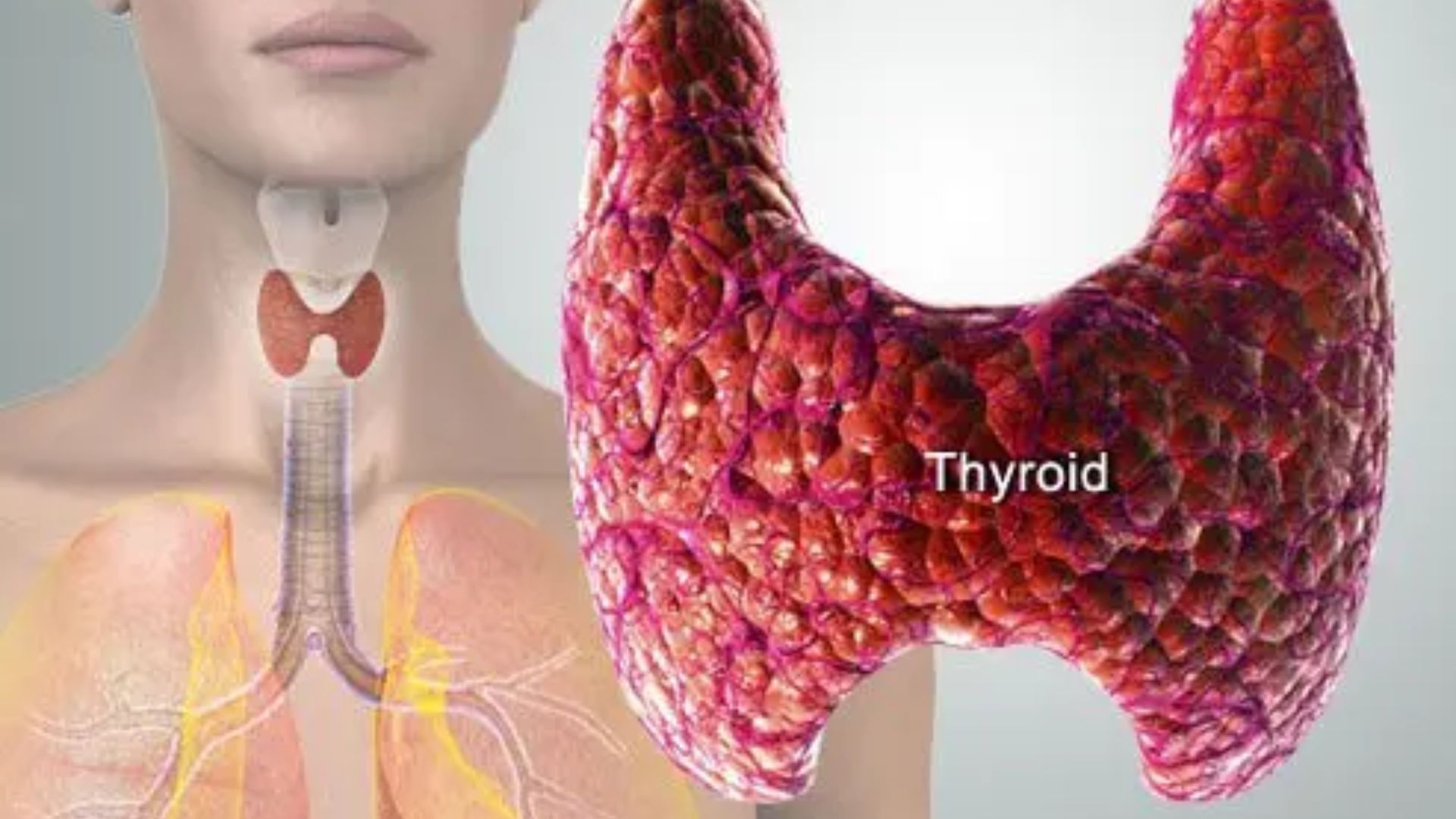
Your thyroid is a small, butterfly-shaped gland located at the front of your neck, but it plays a significant role in keeping your body functioning properly. It produces hormones that regulate metabolism, energy levels, heart rate, body temperature, digestion, and even mood. When the thyroid doesn’t produce the right amount of hormones, it can affect nearly every system in your body.
If you’re experiencing unexplained fatigue, sudden weight changes, or ongoing mood shifts, it may be time to seek evaluation for Thyroid Disorders in San Antonio, TX. Early diagnosis and personalized treatment can help restore hormonal balance and improve your overall quality of life. At Dr. Juan S. Pico, DO, patients receive comprehensive care focused on identifying the root cause of symptoms and developing an individualized treatment plan.
What Are Thyroid Disorders?
Thyroid disorders occur when the thyroid gland produces either too much or too little thyroid hormone. These hormonal changes can develop gradually, making symptoms easy to overlook during the early stages.
The most common thyroid conditions include:
- Hypothyroidism (underactive thyroid)
- Hyperthyroidism (overactive thyroid)
- Thyroid nodules
- Goiter
- Hashimoto’s thyroiditis
- Graves’ disease
Each condition affects the body differently, but all benefit from early medical evaluation and ongoing monitoring.
Common Symptoms of Hypothyroidism
Hypothyroidism occurs when the thyroid gland cannot produce enough hormones to meet the body’s needs. As metabolism slows, many body functions begin to change.
Common symptoms include:
- Persistent fatigue
- Weight gain despite no major lifestyle changes
- Feeling cold frequently
- Dry skin
- Hair thinning
- Constipation
- Depression or low mood
- Slow heart rate
- Memory problems
- Puffy face
Many of these symptoms develop slowly over months, making routine medical checkups especially important.
Symptoms of Hyperthyroidism
Hyperthyroidism happens when the thyroid produces excess hormones, causing the body’s metabolism to speed up.
Signs may include:
- Rapid heartbeat
- Unexplained weight loss
- Increased sweating
- Anxiety or nervousness
- Difficulty sleeping
- Frequent bowel movements
- Muscle weakness
- Tremors
- Heat intolerance
- Irritability
Without treatment, hyperthyroidism may increase the risk of heart complications and bone loss.
What Causes Thyroid Disorders?
Several factors can contribute to thyroid disease.
Common causes include:
Autoimmune Conditions
The immune system may mistakenly attack the thyroid gland. Hashimoto’s disease commonly causes hypothyroidism, while Graves’ disease often leads to hyperthyroidism.
Family History
Genetics can increase your likelihood of developing thyroid problems.
Aging
Thyroid disorders become more common as people grow older, particularly among women.
Iodine Imbalance
Too much or too little iodine may interfere with normal thyroid hormone production.
Certain Medications
Some prescription medications can affect thyroid function and require regular monitoring.
How Thyroid Disorders Are Diagnosed
Diagnosing thyroid disease starts with reviewing your symptoms, medical history, and family history.
Your healthcare provider may recommend:
- Physical examination
- Blood tests measuring TSH, T3, and T4 levels
- Thyroid antibody testing
- Thyroid ultrasound
- Imaging studies when necessary
These evaluations help determine the exact cause of your symptoms and guide treatment decisions.
Treatment Options for Thyroid Disorders
Treatment depends on the specific condition and its severity.
Medication
People with hypothyroidism often benefit from thyroid hormone replacement therapy to restore normal hormone levels.
Those with hyperthyroidism may require medications that reduce hormone production.
Lifestyle Changes
Healthy nutrition, stress management, regular exercise, and adequate sleep support overall thyroid health alongside medical treatment.
Regular Monitoring
Routine blood tests help ensure medications remain effective and hormone levels stay balanced.
Advanced Care
In some situations, surgery or radioactive iodine therapy may be recommended if medications are not sufficient.
Why Early Diagnosis Matters
Ignoring thyroid symptoms may allow health problems to worsen over time.
Untreated thyroid disease can contribute to:
- High cholesterol
- Heart rhythm problems
- Infertility
- Depression
- Osteoporosis
- Memory difficulties
- Severe fatigue
- Pregnancy complications
Seeking medical care early often leads to better symptom control and improved long-term health.
How Concierge Medicine Supports Thyroid Care
Managing thyroid disease often requires ongoing follow-up rather than a single appointment.
Working with experienced Concierge Medicine Doctors provides patients with:
- Longer office visits
- Personalized treatment plans
- Easier communication with the physician
- Regular medication adjustments
- Preventive health monitoring
- Continuity of care
This patient-centered approach helps individuals feel supported throughout every stage of treatment.
The Role of Internal Medicine in Thyroid Health
Because thyroid hormones affect many organs, comprehensive evaluation is essential.
Professional Internal Medicine Services help identify underlying medical conditions that may contribute to thyroid dysfunction while monitoring other health concerns such as diabetes, cholesterol, blood pressure, and heart health.
Rather than treating only one symptom, internal medicine focuses on the complete picture of your health.
Why a Primary Care Family Physician Is Important
A trusted Primary Care Family Physician often becomes the first healthcare professional to recognize subtle thyroid symptoms.
Routine wellness visits allow physicians to:
- Detect hormone changes early
- Monitor chronic conditions
- Coordinate specialist referrals when needed
- Adjust medications safely
- Support preventive healthcare
This continuity of care helps reduce complications and improves long-term wellness.
Healthy Habits That Support Thyroid Function
Although lifestyle changes cannot cure every thyroid condition, they can support treatment.
Helpful habits include:
- Eat a balanced diet rich in vegetables and lean proteins.
- Get regular physical activity.
- Prioritize quality sleep.
- Manage stress through relaxation techniques.
- Take thyroid medication exactly as prescribed.
- Keep follow-up appointments.
- Avoid stopping medication without medical advice.
Small, consistent lifestyle improvements often complement medical treatment and help patients feel their best.
When Should You See a Doctor?
Schedule a medical evaluation if you notice:
- Ongoing fatigue
- Sudden weight gain or loss
- Heart palpitations
- Persistent constipation
- Feeling unusually cold or hot
- Hair loss
- Mood changes
- Neck swelling
- Difficulty concentrating
Many thyroid conditions are manageable when identified early.
If you’re looking for expert care for Thyroid Disorders in San Antonio, TX, Dr. Juan S. Pico, DO, provides individualized evaluations, thorough diagnostic testing, and personalized treatment plans designed to support your long-term health. Whether you need preventive care, chronic disease management, or ongoing thyroid monitoring, receiving timely medical attention can help you regain energy, improve daily functioning, and protect your overall well-being.
Frequently Asked Questions
Q. What are the early signs of thyroid disorders?
Early symptoms may include fatigue, unexplained weight changes, mood swings, dry skin, hair thinning, and changes in heart rate. A healthcare provider should evaluate these symptoms.
Q. How are Thyroid Disorders diagnosed?
Diagnosis typically involves a physical examination, reviewing medical history, and blood tests that measure thyroid hormone levels. Additional imaging or antibody testing may be recommended when necessary.
Q. Can thyroid disorders be treated without surgery?
Yes. Most thyroid conditions are successfully managed with medication, lifestyle modifications, and regular monitoring. Surgery is usually reserved for specific situations.
Q. Why should I choose Dr. Juan S. Pico, DO, for thyroid care?
Dr. Juan S. Pico, DO, offers comprehensive evaluations, personalized treatment plans, and ongoing monitoring to help patients effectively manage thyroid conditions and improve overall wellness.
Q. Can a Primary Care Family Physician help manage thyroid disease?
Yes. A Primary Care Family Physician can diagnose thyroid disorders, prescribe treatment, monitor hormone levels, and coordinate care with specialists if needed.
Q. How do Concierge Medicine Doctors improve thyroid care?
Concierge Medicine Doctors provide more personalized attention, longer appointments, easier communication, and continuous follow-up, making it easier to manage thyroid conditions over time.
Q. What role do Internal Medicine Services play in thyroid treatment?
Internal Medicine Services evaluate how thyroid disease affects the entire body, manage related health conditions, and ensure treatment supports your overall health rather than addressing only individual symptoms.