
 October 14, 2026
by : Admin
What Are Influenza Vaccinations and Why Are They Important?
Seasonal flu can affect your health, daily routine, and ability to carry out everyday activities. Influenza Vaccinations in San Antonio, TX, are an important part of preventive health care, helping reduce the risk of influenza and its potentially serious complications. Understanding how flu vaccines work, who should receive them, and when to schedule vaccination can help you make informed decisions about your health. Dr. Juan S. Pico, DO, encourages patients to discuss seasonal illness prevention and appropriate vaccination with a qualified health care professional.
What Are Influenza Vaccinations?
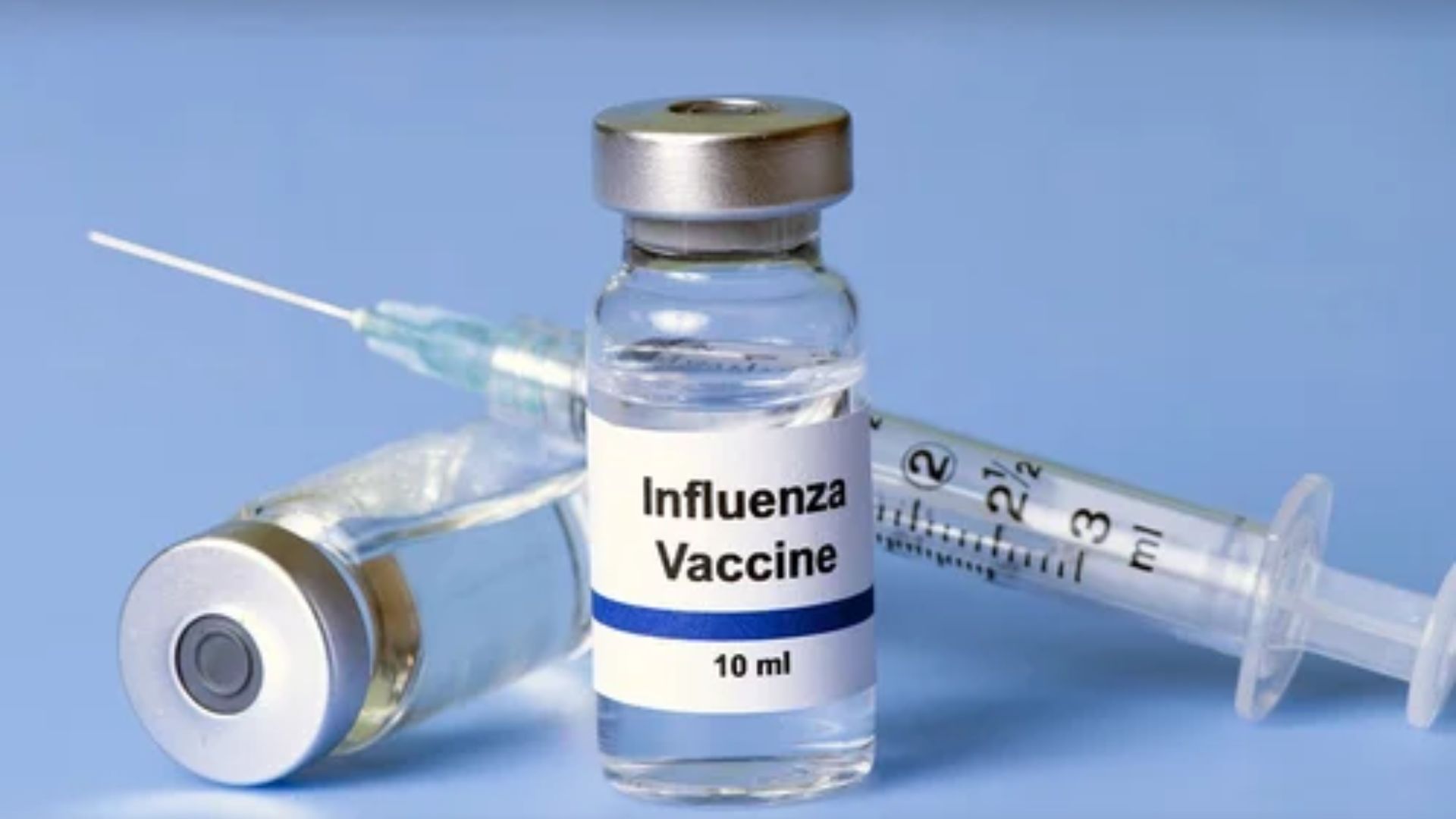
Influenza vaccinations are vaccines designed to help protect the body against influenza, commonly known as the flu. Influenza is a contagious respiratory illness caused by influenza viruses. It can affect the nose, throat, and lungs, causing symptoms such as fever, cough, sore throat, body aches, headaches, and fatigue.
Flu vaccines prepare the immune system to recognize and respond to specific influenza viruses. When a vaccinated person encounters a virus covered by the vaccine, their immune system may be better equipped to fight the infection.
Flu vaccines are updated regularly because influenza viruses change over time. The appropriate vaccine depends on factors such as age, medical history, and current recommendations. According to the Centres for Disease Control and Prevention (CDC), annual flu vaccination is recommended for everyone six months and older, with rare exceptions.
Why Are Flu Vaccinations Important?
Influenza is sometimes mistaken for an ordinary cold, but it can cause more serious illness. Some people recover within several days, while others may develop complications that require medical attention or hospitalization.
Vaccination offers several important benefits.
1. Reduces the Risk of Getting the Flu
Receiving a seasonal flu vaccine helps lower the likelihood of influenza infection. Protection varies depending on factors such as the circulating viruses, vaccine match, and a person’s immune response. Although vaccination cannot prevent every case, it remains an important preventive measure.
2. Helps Reduce Serious Complications
Influenza can lead to complications such as pneumonia and the worsening of existing medical conditions. These risks can be particularly concerning for older adults and people with certain chronic health problems. Vaccination can reduce the risk of severe illness and flu-related hospitalization.
3. Helps Protect Vulnerable People
Young children, older adults, pregnant people, and individuals with certain long-term health conditions may face a higher risk of serious flu complications. Vaccination helps reduce the chance of illness among eligible individuals and can contribute to protecting families and communities.
4. Reduces Disruptions to Daily Life
Flu symptoms can interfere with work, school, family responsibilities, and regular activities. By lowering the risk of influenza and its complications, vaccination may help reduce missed workdays, school absences, and health care visits.
The level of protection varies each season, but vaccination remains a key step in reducing the burden of influenza
Who Should Consider a Flu Vaccine?
The CDC recommends seasonal flu vaccination for most people six months and older, except in certain circumstances. However, some groups have a greater risk of developing serious complications and should pay particular attention to preventive care.
These groups include:
- Older adults: People age 65 and older have a higher risk of severe flu complications.
- Young children: Children, particularly those younger than five, can be more vulnerable to influenza-related complications.
- Pregnant people: Influenza can cause serious illness during pregnancy, making appropriate vaccination an important topic to discuss with a healthcare professional.
- People with chronic conditions: Individuals with conditions such as asthma, diabetes, or certain heart, kidney, and liver diseases may have an increased risk of complications.
- People with weakened immune systems: Some medical conditions and treatments can make it harder for the body to fight infections.
People who live with or care for individuals at higher risk should also consider recommended preventive measures. A medical professional can help determine which vaccine is appropriate based on age, health status, allergies, and previous vaccine reactions.
When Is the Best Time to Get Vaccinated?
Timing matters because the body needs time to develop protection after vaccination. It generally takes about two weeks for protective antibodies to develop.
In the United States, September and October are generally favorable months for most people to receive their seasonal flu vaccine. However, the best timing may vary depending on age, pregnancy, individual circumstances, and vaccine availability. Vaccination can still be beneficial later in the flu season while influenza viruses are circulating.
Rather than waiting until flu cases increase in your community, discuss the appropriate timing with your health care provider. A medical professional can examine your vaccination history and assist you in making a plan if you’re uncertain about whether you need a vaccine this season.
What Types of Flu Vaccines Are Available?
Several influenza vaccine options are available in the United States. These generally include injectable vaccines and, for eligible individuals, a nasal spray vaccine.
Not every option is suitable for every person. Certain vaccines are approved only for specific age groups, and some are not recommended for people with particular medical conditions. Adults age 65 and older have specific vaccine options that the CDC preferentially recommends.
Your health care provider can help you understand the available choices and select an age-appropriate vaccine based on current guidance. Avoid choosing a vaccine solely because it is convenient or familiar; individual health considerations matter.
Are There Side Effects After a Flu Shot?
Most people experience no serious problems after influenza vaccination. Some may notice temporary side effects, including:
- Soreness, redness, or swelling at the injection site
- Mild fever
- Headache
- Muscle aches
- Tiredness
These effects generally resolve within a short period. An injectable flu vaccine cannot cause influenza because it does not contain an infectious flu virus capable of causing the disease.
Severe allergic reactions are rare but require immediate medical attention. If you have previously experienced a serious reaction to a flu vaccine or have concerns about vaccine ingredients, discuss them with your health care provider before vaccination.
Other Ways to Help Prevent Influenza
Vaccination is an important preventive step, but everyday habits also help reduce the spread of respiratory illnesses.
Wash your hands regularly. Use soap and water, especially before eating and after coughing or sneezing.
Cover coughs and sneezes. Use a tissue or your elbow to reduce the spread of respiratory droplets.
Avoid close contact when sick. Staying home when you are ill helps protect family members, coworkers, and others.
Improve indoor air quality. When practical, increase ventilation and spend time in well-ventilated spaces.
Seek medical advice when symptoms develop. Contact a health care professional if you experience flu symptoms, particularly if you are at higher risk for complications. Seek urgent medical attention for warning signs such as difficulty breathing, persistent chest pain, confusion, or severe dehydration.
These habits work alongside vaccination to help protect your health throughout flu season.
Discuss Preventive Care with Dr. Juan S. Pico, DO
Preventive health care involves understanding your risks, staying informed about recommended vaccines, and making decisions that fit your medical needs. Dr. Juan S. Pico, DO, provides medical care in San Antonio, Texas, and can help patients discuss preventive health concerns and appropriate next steps.
If you have questions about seasonal flu prevention, your vaccination history, or how an existing medical condition may affect your vaccination choices, schedule a conversation with your health care provider.
Taking time to understand your options can help you prepare for flu season and make informed decisions about your health.
Frequently Asked Questions
Q. What are influenza vaccinations used for?
Influenza vaccinations help protect against seasonal flu and reduce the risk of serious complications. They are an important part of preventive health care for eligible children and adults.
Q. How often should I receive a flu vaccine?
Most people six months and older should receive a flu vaccine every year, with rare exceptions. Annual vaccination is recommended because influenza viruses change and protection can decrease over time.
Q. Can I still get the flu after vaccination?
Yes. Vaccination does not provide complete protection against every influenza virus. However, it can reduce the risk of illness and help lower the likelihood of severe outcomes.
Q. When should I schedule my flu shot?
September and October are generally good times for most people in the United States. A health care professional can advise you about timing based on your age, health, and individual circumstances.
Q. Is the flu shot safe for older adults?
Flu vaccination is especially important for older adults because they face a higher risk of severe complications. The CDC preferentially recommends certain flu vaccines for adults age 65 and older. A health care professional can help identify an appropriate option.
Q. What should I do if I have a chronic medical condition?
Speak with your health care provider about seasonal vaccination and other preventive measures. Conditions such as asthma, diabetes, and certain heart or kidney diseases may increase the risk of serious flu complications.