
 August 13, 2026
by : Admin
Eczema Treatment Tips for Managing Itching, Redness, and Dryness
Living with eczema can be frustrating, especially when itching, redness, and dry skin interfere with sleep, work, or everyday activities. Eczema Treatment in San Antonio, TX, can help identify possible triggers, manage uncomfortable symptoms, and create a practical care approach based on your skin’s condition. With consistent care and appropriate medical guidance, many people can reduce flare-ups and keep their skin more comfortable.
Understanding Eczema and Its Common Symptoms
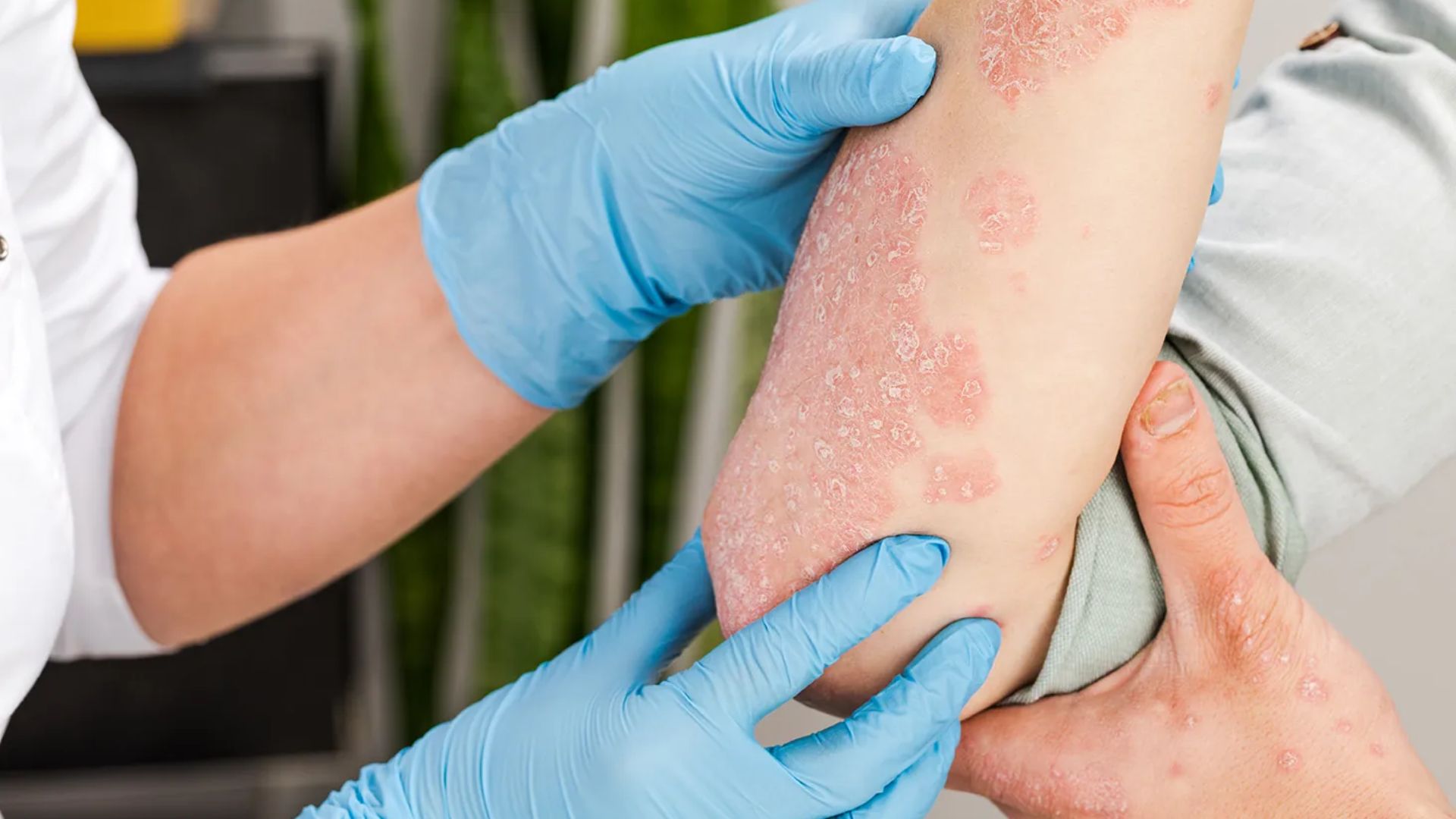
Eczema is a group of skin conditions that can cause inflammation, dryness, itching, and irritation. Symptoms can vary from person to person and may appear on the hands, face, arms, legs, or other areas of the body.
Common signs include:
- Persistent itching
- Dry or flaky skin
- Red or inflamed patches
- Sensitive or irritated skin
- Cracked areas
- Thickened skin after repeated scratching
- Occasional oozing or crusting
Symptoms may come and go. Some people experience mild irritation, while others may have recurring flare-ups that require professional evaluation.
Understanding what your skin is reacting to can be an important part of managing eczema effectively.
Keep Your Skin Moisturised
One of the simplest ways to support dry, eczema-prone skin is regular moisturising. When the skin becomes excessively dry, its protective barrier can become weaker, making it easier for irritation to develop.
Choose a gentle, fragrance-free moisturiser and apply it regularly, particularly after bathing. Creams and ointments are often useful for very dry areas because they can provide longer-lasting moisture.
Rather than waiting until your skin feels uncomfortable, make moisturising part of your everyday routine.
Avoid Common Skin Irritants
Certain products and environmental factors may aggravate eczema symptoms. Fragrances, harsh soaps, detergents, and some skincare products can be irritating for sensitive skin.
Consider using:
- Fragrance-free cleansers
- Gentle laundry products
- Lukewarm water instead of very hot water
- Soft, breathable clothing
- Mild skincare products
It can also help to introduce new skincare products one at a time. This makes it easier to notice whether a particular product appears to trigger irritation.
Try Not to Scratch
Eczema can create a difficult cycle: itching leads to scratching, scratching damages the skin, and damaged skin can become even more irritated.
Keeping fingernails short may reduce accidental skin damage. At night, some people find that wearing soft clothing or using other practical strategies helps reduce unconscious scratching.
Instead of scratching an itchy area, try gently pressing or applying a cool compress. If itching is frequent or severe, discuss it with a healthcare professional.
Pay Attention to Your Bathing Routine
Bathing can either soothe or aggravate dry skin depending on how it is done.
Long, hot showers may remove natural oils from the skin and leave it feeling tighter and drier. A shorter bath or shower using lukewarm water may be more comfortable.
After bathing, gently pat your skin dry rather than rubbing it. Applying moisturiser soon afterward can help retain moisture.
A simple bathing routine can make a noticeable difference when dryness is one of your main concerns.
Identify Possible Eczema Triggers
Everyone’s eczema triggers can be different. Weather changes, stress, sweating, certain fabrics, skincare products, and environmental irritants may contribute to flare-ups in some people.
Keeping a simple symptom diary may help you identify patterns. Record when symptoms appear and note factors such as:
- Weather conditions
- New skincare products
- Activities involving sweating
- Changes in laundry products
- Stress levels
- Foods, if you suspect a connection
Avoid making major dietary changes without professional advice. A suspected trigger does not necessarily mean it is the actual cause of a flare-up.
Manage Stress and Support Healthy Habits
Stress does not cause every case of eczema, but it may worsen symptoms for some people. When life becomes stressful, sleep can also suffer, and poor sleep may make itching feel harder to manage.
Simple habits such as regular physical activity, adequate sleep, relaxation exercises, and taking short breaks during a busy day may support overall wellbeing.
Managing eczema is not only about what you put on your skin. Your daily habits can also contribute to how comfortable you feel.
When Should You Seek Medical Advice?
Occasional dry skin may improve with basic skincare, but persistent or worsening symptoms deserve professional attention.
Consider speaking with a healthcare provider if:
- Itching is affecting your sleep
- Symptoms continue despite regular skincare
- Your skin is becoming painful or severely cracked
- Flare-ups are happening frequently
- The affected area is spreading
- You notice signs of possible infection
- You are unsure whether your symptoms are eczema
A professional evaluation can help distinguish eczema from other skin conditions that may have similar symptoms.
What Can Professional Eczema Care Involve?
There is no single approach that works for everyone. The appropriate treatment depends on factors such as symptom severity, affected areas, age, medical history, and possible triggers.
Professional care may involve recommendations for moisturising routines, trigger management, prescription or non-prescription medicines when appropriate, and follow-up to monitor changes.
Eczema Treatment in San Antonio, TX, may also involve reviewing your symptoms and daily routine to determine which strategies are most suitable for your situation.
Following treatment instructions consistently is important. Using products more frequently or in larger amounts than recommended does not necessarily produce better results.
Building a Long-Term Skin Care Routine
Eczema management often works best when skincare becomes a regular habit rather than something you only focus on during a flare-up.
A practical routine might include:
- Use gentle products designed for sensitive skin.
- Keep bathing water lukewarm.
- Moisturise regularly.
- Avoid known irritants.
- Keep nails trimmed to reduce scratching damage.
- Monitor recurring symptoms and possible triggers.
- Follow professional recommendations when treatment is prescribed.
Your routine may need to change depending on the season, environment, and condition of your skin.
Get Personalised Guidance for Your Skin
Recurring eczema can be uncomfortable, but you do not have to manage persistent symptoms without professional guidance. Understanding your triggers and maintaining appropriate skin care can help support healthier, more comfortable skin.
If itching, redness, or dryness continues to affect your daily life, professional evaluation can help determine the next appropriate step. Eczema Treatment can provide a more personalised approach instead of relying only on trial and error.
Dr. Juan S. Pico, DO focuses on understanding each patient’s overall health and individual concerns. Discussing persistent skin symptoms with a qualified medical professional can help you make informed decisions about your care.
Frequently Asked Questions
Q. What are the most common symptoms of eczema?
Common symptoms include itching, dry skin, redness, irritation, flaking, cracking, and sometimes thickened or inflamed skin.
Q. Can moisturising help with eczema symptoms?
Regular use of a suitable moisturiser can help support the skin barrier and reduce dryness. Fragrance-free products are often preferred for sensitive skin.
Q. What can trigger an eczema flare-up?
Potential triggers vary. Fragrances, harsh products, weather changes, sweating, stress, and certain fabrics may contribute to symptoms in some people.
Q. When should I seek professional care for eczema?
Consider professional advice when symptoms are persistent, severe, painful, affecting sleep, frequently returning, or not improving with basic skincare.
Q. Is there one treatment that works for everyone?
No. Eczema can vary considerably between individuals so that care may depend on symptoms, severity, affected areas, medical history, and potential triggers.
Q. How can I reduce scratching during an eczema flare-up?
Keeping nails short, using cool compresses, moisturising regularly, and discussing persistent itching with a healthcare professional may help reduce the urge to scratch.