
 October 28, 2026
by : Admin
What Is the Best Treatment for Rosacea?
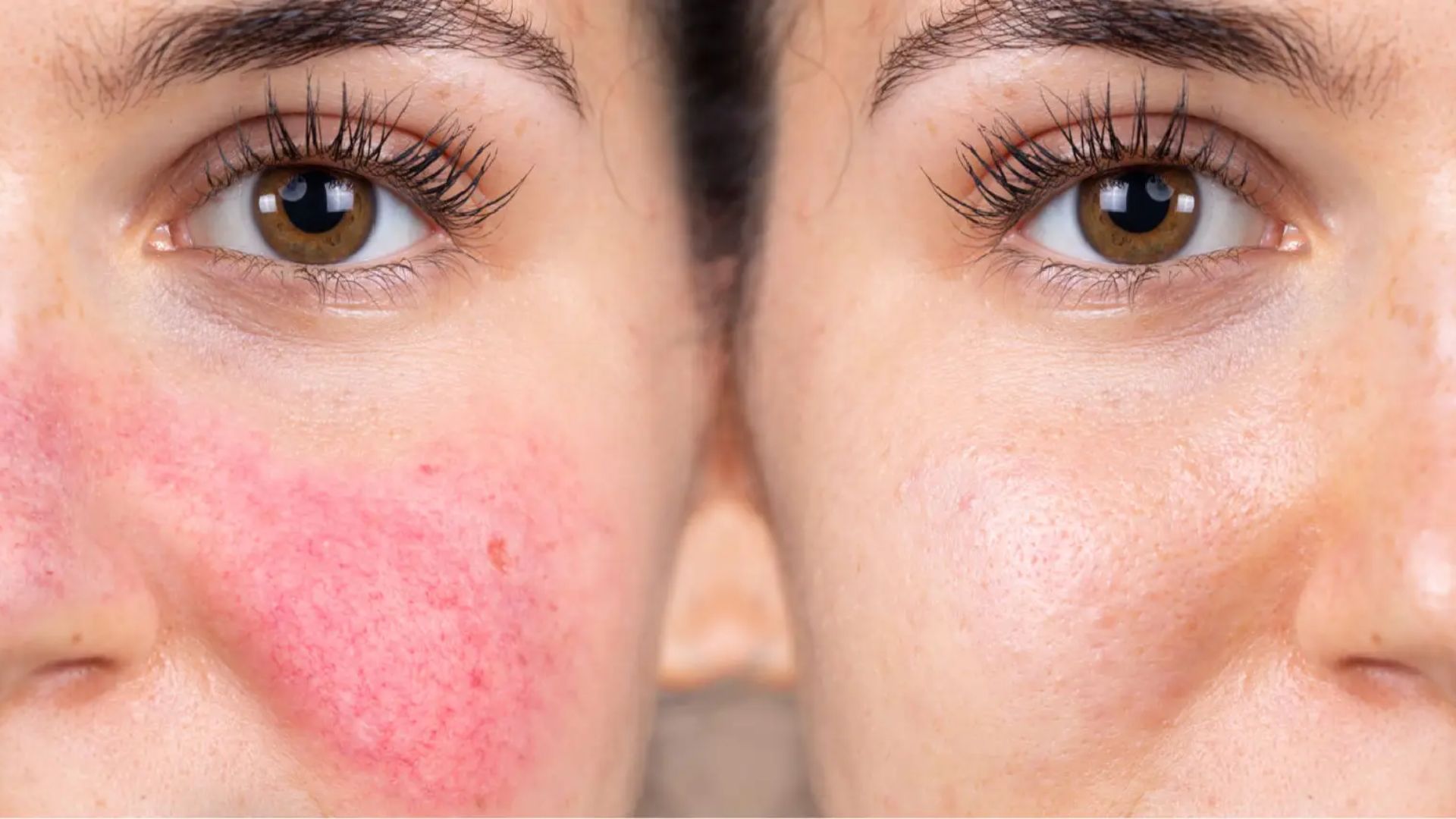
Finding the right Rosacea Treatment in San Antonio, TX, begins with understanding what causes facial redness and which treatment options may suit your skin. Rosacea is a long-term skin condition that can cause flushing, visible blood vessels, small bumps, and persistent redness across the face. Although there is no permanent cure, suitable medical treatment and daily skincare can help control symptoms and reduce flare-ups. Dr. Juan S. Pico, DO, can be a starting point for discussing your health concerns and determining whether further evaluation or specialist care is appropriate.
What Causes Rosacea?
The exact cause of this skin condition remains unclear. Researchers believe it may involve inflammation, changes in facial blood vessels, immune responses, genetics, and the skin’s protective barrier. Symptoms can vary from person to person, and certain environmental or lifestyle factors may make them worse.
Common triggers include:
- Sun exposure and hot weather
- Spicy foods and hot drinks
- Alcohol consumption
- Emotional stress
- Hot showers and sudden temperature changes
- Harsh cleansers or fragranced skincare products
- Strenuous exercise in warm conditions
Not everyone reacts to the same triggers. Keeping a diary of your symptoms and daily habits can help you recognize patterns and make informed adjustments.
Common Signs and Symptoms
Symptoms may develop gradually or become more noticeable during flare-ups. Some people experience occasional flushing, while others have persistent redness or skin irritation.
Common signs include:
- Redness on the cheeks, nose, forehead, or chin
- Small inflamed bumps that may resemble acne
- Visible blood vessels beneath the skin
- Burning, stinging, or increased sensitivity
- Dryness and rough skin texture
- Irritated or watery eyes
In more advanced cases, the skin around the nose may thicken. Eye-related symptoms can also occur and may require specific treatment.
Because these signs can resemble acne, eczema, and other skin conditions, a professional assessment is important. Do not assume that every episode of facial redness has the same cause.
Which Treatments Can Help?
The most suitable treatment depends on your symptoms, their severity, medical history, and response to previous care. There is no single option that works equally well for everyone.
1. Prescription Creams and Gels
Topical medicines are often used to manage inflammatory bumps and facial irritation. Depending on the symptoms, a clinician may recommend metronidazole, azelaic acid, or ivermectin.
For persistent redness, certain prescription products, including brimonidine or oxymetazoline, may temporarily reduce its appearance. These medicines have different uses and potential side effects, so professional guidance is essential.
2. Oral Medication
When inflammation is more pronounced or topical products do not provide enough relief, oral medication may be considered. Doxycycline is sometimes prescribed to help control inflammatory symptoms.
The choice of medicine depends on individual circumstances. Prescription treatments should only be used under appropriate medical supervision, particularly when other medicines or health conditions may affect treatment decisions.
3. Laser and Light-Based Procedures
Laser therapy and intense pulsed light (IPL) may help reduce visible blood vessels and persistent redness in selected patients. These procedures target blood vessels beneath the skin and may improve its overall appearance.
Results vary according to skin type, symptoms, and the technique used. Possible side effects include temporary swelling, redness, bruising, or pigmentation changes. A qualified professional should explain the potential benefits and risks before treatment.
4. Gentle Skincare
A simple skincare routine can support the skin barrier and reduce irritation. Strong products and frequent exfoliation may make sensitive skin more uncomfortable.
Helpful daily habits include
- Cleanse with a mild, fragrance-free product.
- Apply a gentle moisturizer.
- Use broad-spectrum sunscreen with SPF 30 or higher.
- Avoid abrasive scrubs and products that cause burning.
- Introduce new products one at a time.
- Use lukewarm rather than very hot water.
Consistency is more important than using a large number of skincare products. If a product repeatedly causes irritation, stop using it and seek advice if symptoms continue.
How Can You Reduce Flare-Ups?
Although flare-ups cannot always be prevented, identifying personal triggers may help reduce their frequency. Protect your face from direct sunlight, seek shade during hot weather, and wear a wide-brimmed hat outdoors.
If spicy meals, hot beverages, or alcohol appear to worsen your symptoms, consider tracking your response and adjusting your habits accordingly. You do not need to avoid every possible trigger unless it affects you.
Stress management, adequate sleep, and regular physical activity suited to your comfort may also support general well-being. When exercising, try to stay cool and take breaks if heat makes facial redness worse.
When Should You Seek Professional Advice?
Arrange an assessment if redness persists, bumps repeatedly develop, or irritation does not improve with gentle skincare. Professional advice is also useful if over-the-counter products appear to make your symptoms worse.
Eye discomfort deserves particular attention. Redness, dryness, burning, or a gritty sensation may indicate eye involvement or another condition. Seek prompt medical advice for these symptoms; eye pain, significant light sensitivity, or vision changes require urgent assessment.
If you are looking for rosacea treatment in San Antonio, TX, begin by discussing your symptoms with a healthcare professional who can advise whether further evaluation or referral to a dermatologist is appropriate.
Conclusion
Managing rosacea often requires a combination of appropriate medication, gentle skincare, sun protection, and awareness of personal triggers. Some people benefit from prescription creams, while others may need oral medication or light-based procedures. Improvement may take time, and ongoing care can help keep symptoms under control.
Dr. Juan S. Pico, DO, can be contacted to discuss your healthcare concerns and appropriate next steps. If you are considering rosacea treatment in San Antonio, TX, seek professional guidance to understand which options may be suitable for your needs.
Frequently Asked Questions
Q. What is the most effective treatment for rosacea?
The best option depends on the symptoms. Prescription creams may help inflammatory bumps, certain medicines can temporarily reduce redness, and laser or light-based procedures may improve visible blood vessels.
Q. Can rosacea be cured permanently?
There is currently no established permanent cure. However, appropriate treatment, sun protection, and a consistent skincare routine can help manage symptoms and reduce flare-ups.
Q. How long does treatment take to work?
The timeline varies by treatment and symptom severity. Some redness-reducing medicines work relatively quickly, while treatments for inflammatory bumps may take several weeks or longer to show improvement.
Q. What skincare products should I avoid?
Avoid products that consistently cause burning or irritation. Fragrances, harsh cleansers, abrasive scrubs, and certain exfoliating ingredients may aggravate sensitive skin.
Q. Can food trigger facial redness?
Yes. Spicy foods, alcohol, and hot drinks may trigger symptoms in some people. Keeping a diary can help you identify which foods or beverages affect your skin.
Q. Can Dr. Juan S. Pico, DO, help with my concerns?
You can contact Dr. Juan S. Pico, DO, to discuss your healthcare concerns and ask about appropriate evaluation or referral options. The right care pathway depends on your symptoms and individual needs.